





How to Protect and Store Your Pokémon Cards
Collector's Guide · 8 Tips
Pulling a big hit is the fun part. Keeping that card in the same condition five years from now takes a little planning. Whether you play every week or mostly collect, the basics are the same, and most of them cost very little.
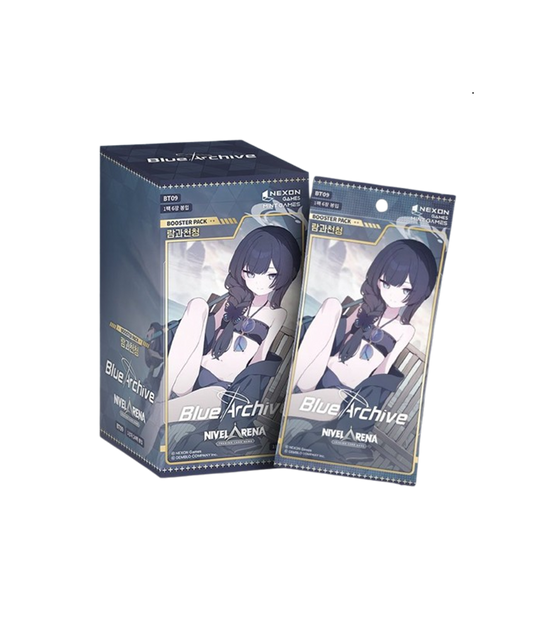
These tips are written with Pokémon cards in mind, but they work for any TCG, including Nivel Arena, Yu-Gi-Oh!, Riftbound and the Gundam Card Game.
The short version
Sleeve everything, store cards upright, and keep them somewhere cool, dry and out of the sun.
1Sleeve your cards
Sleeves stop the scratches and edge wear that happen just from handling a card. Penny sleeves are fine for everyday cards. For anything valuable, put it in a penny sleeve first, then into a toploader or a semi-rigid card saver.
If you play, double-sleeve your deck. A tight inner sleeve plus a regular outer sleeve keeps dust and moisture out much better than one sleeve alone.
2Use the right binder
A binder keeps your collection organised and easy to look through. Go for a side-loading 9-pocket binder, ideally one with a zip closure.
Avoid ring binders if you can. The rings press into the cards closest to the spine and can leave dents over time.
3Put sealed product in a case
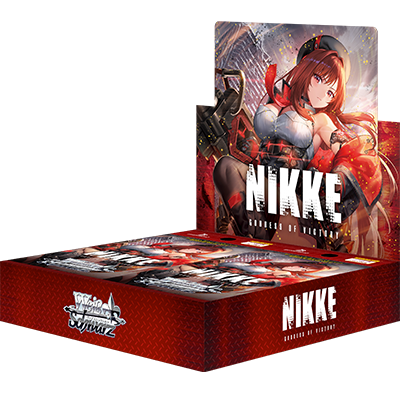
If you're keeping booster boxes or other sealed product, the condition of the box and shrink wrap matters as much as what's inside. An acrylic display case protects the corners and keeps dust off, and it looks good on a shelf. Measure the box before you buy one, since sizes differ between sets and regions.
4Keep them cool, dry and out of the sun
Heat and humidity make cards curl, and holo and foil cards are the first to go. Direct sunlight fades the ink over time.
Skip attics, basements and windowsills. A shelf or drawer in a room you'd be comfortable in yourself is usually fine. A couple of silica gel packs in your storage box help a lot during humid summers.
5Use acid-free boxes and PVC-free sleeves
For bulk and long-term storage, use acid-free storage boxes. Cheap cardboard breaks down over the years and can discolour the cards inside. The same goes for sleeves and binder pages: check that they're labelled PVC-free or archival safe.
6Store cards upright, don't stack them
Big piles put pressure on the cards at the bottom and can bend them. Store cards standing up, like books on a shelf. Don't pack the box too tight either; you should be able to pull a card out without forcing it.
7Insure a valuable collection
Standard home insurance often has a low limit for collectibles, so check yours if your collection is worth a lot. Either way, keep an up-to-date list with photos. It makes a claim much easier after a theft, fire or flood.
8Handle with care
Wash and dry your hands first, hold cards by the edges, and keep food and drinks away from your table. When you shuffle a deck, do it gently. Riffle shuffling is the quickest way to bend a card.
💡 Bonus tip: For your most valuable cards, consider grading. A graded slab seals the card in a hard case and confirms its condition, which also helps if you ever decide to sell. Browse our graded slabs to see what's available.
Gear up your collection
None of this is complicated, and you don't need to do it all at once. Start with sleeves and a decent binder, then build from there as your collection grows.
— The Collectable Voyage Team